
Transactional emails are essential for any online business, ensuring critical communication with customers. These emails, triggered by user actions, deliver crucial information and enhance customer engagement. From welcome messages and order confirmations to password resets and alerts, a dependable email delivery platform is vital for effective communication. Choosing the right solution can be challenging, given the numerous options available. To help, we've reviewed over 100 transactional email services and selected the top 10 for 2024.
What Are Transactional Emails?
Transactional emails are automatic messages sent to users following specific actions or events within an application or website. They provide essential information related to the user's interactions, ensuring timely and relevant communication. Common examples of transactional emails include:
- Welcome messages and account activations
- Order confirmations and shipping notifications
- Password reset instructions
- Payment receipts and invoices
- Appointment reminders and status updates
These emails play a vital role in customer engagement by delivering important information directly tied to the user's actions.
1. Postmark
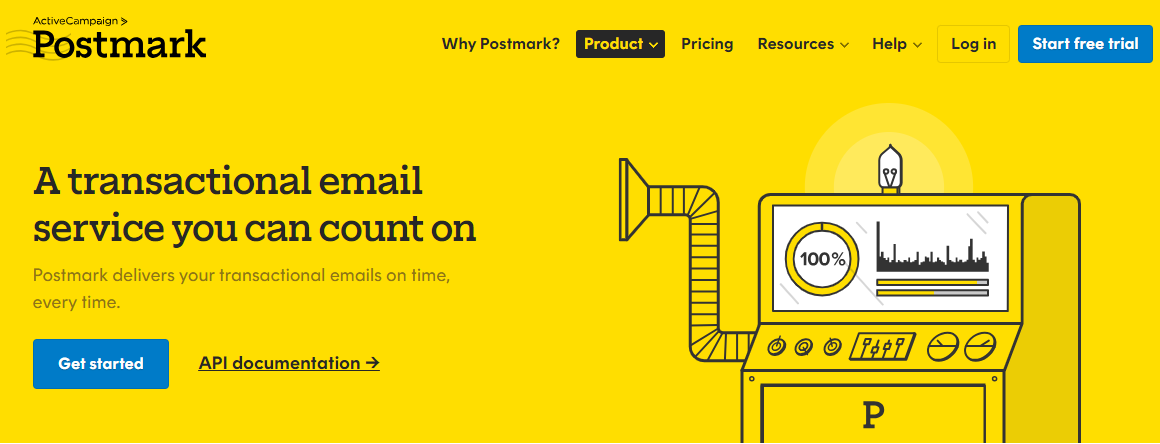
Postmark, now part of ActiveCampaign, excels in high-speed email delivery with its shared IP pools, offering top-notch deliverability and an intuitive interface.
Pros:
- Exceptional delivery rates
- Segregation of different email types
- Comprehensive email management and analytics features
- Extensive software libraries
- Inbound email management
Cons:
- High costs
- Limited industry compatibility
Best for: Enterprises focused on email list management, prioritizing deliverability, and not constrained by budget.
Pricing: Free for 100 emails/month; $0.51 to $1.50 per 1000 emails.
2. UniOne
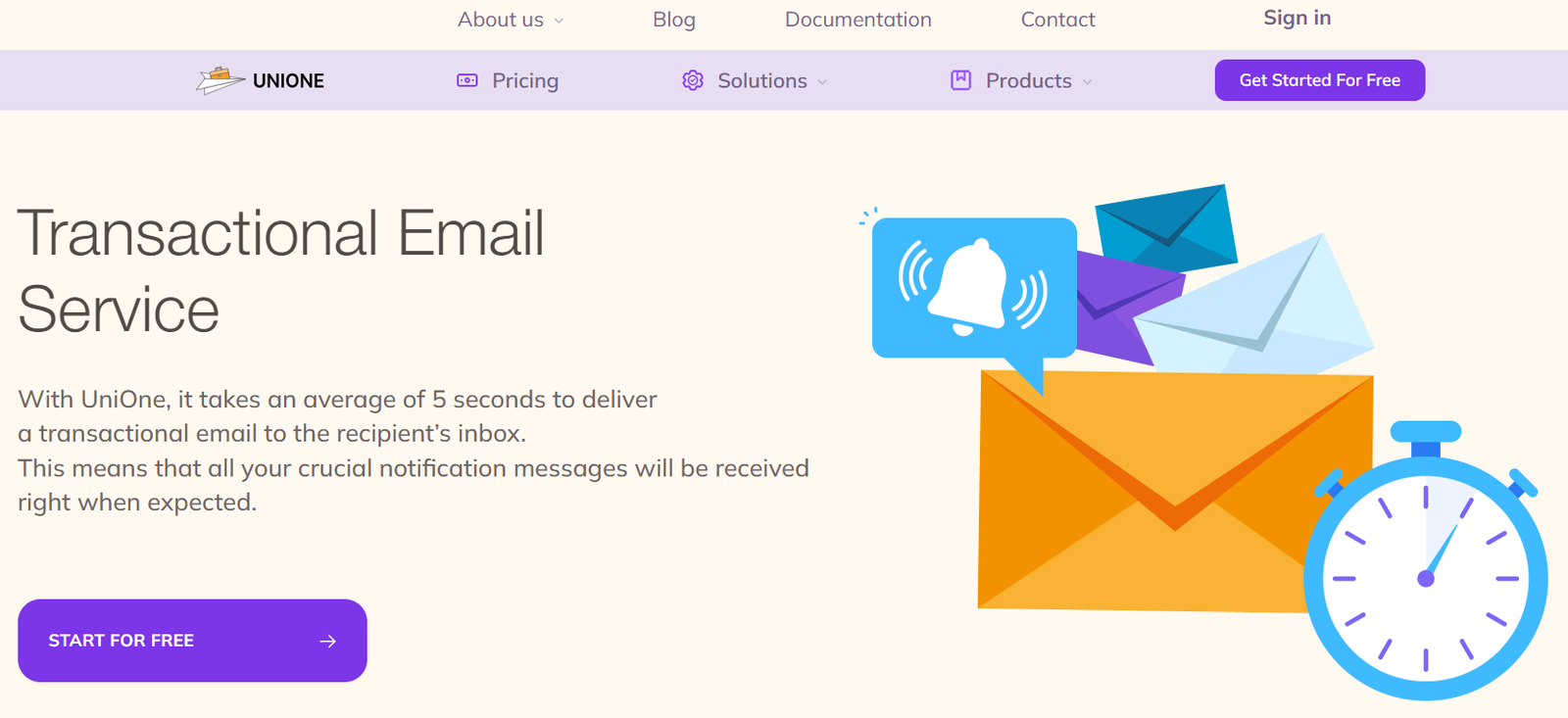
UniOne is an API-first, user-friendly email delivery platform with positive customer feedback, ideal for various industries, from SaaS to fintech and e-commerce.
Pros:
- Quick onboarding
- Detailed tracking and reporting
- 24/7 customer support
- Affordable pricing with a free trial
- White-labeling option
Cons:
- Limited integrations
- Basic features lacking A/B testing or opt-in scenarios
Best for: Small to medium-sized businesses seeking an affordable and easy-to-use email delivery solution.
Pricing: Four-month free trial with 6,000 monthly email credits; $0.28 to $0.66 per 1000 emails.
3. SendGrid
SendGrid is renowned for its scalability and robust performance with large sending volumes, making it a top choice for high-volume senders.
Pros:
- Extensive email creation support
- Robust analytics with optional add-ons
- Scalability for large volumes
- Email marketing features
- Premium support options
Cons:
- High cost for advanced features
- Complex onboarding process
Best For: Enterprises and high-volume senders needing advanced features and scalability.
Pricing: Free for 100 daily emails; $0.35 to $0.89 per 1000 emails for API plans.
4. Netcore Email API
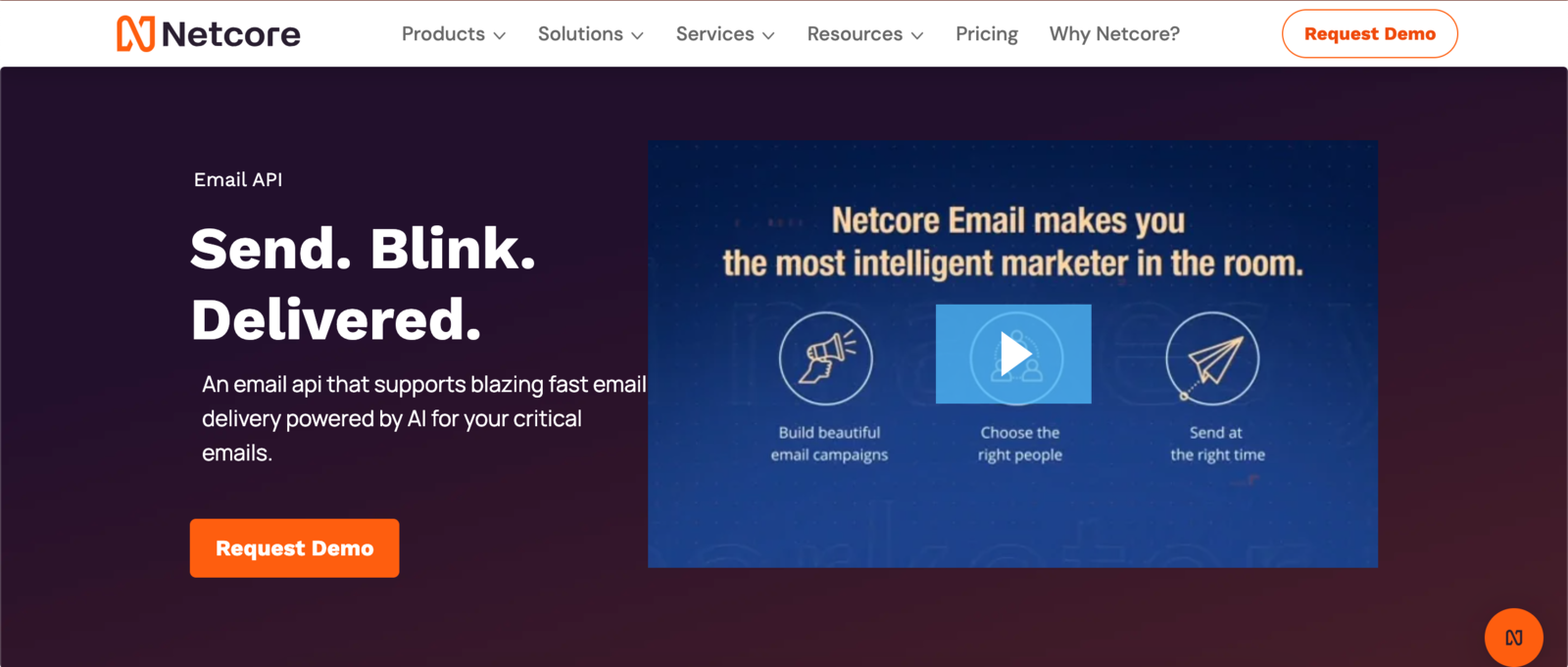
Netcore Email API, formerly Pepipost, is an email delivery service focused on providing high email deliverability with real-time tracking and analytics.
Pros:
- Competitive pricing
- High deliverability rates
- Real-time tracking and analytics
- 24/7 customer support
- Easy integration with various platforms
Cons:
- Limited advanced features compared to competitors
- Occasional delays in customer support response
Best for: Small to medium-sized businesses seeking a cost-effective and reliable email delivery service.
Pricing: Free for up to 30,000 emails in the first 30 days; $0.10 to $0.20 per 1000 emails for paid plans.
Moosend
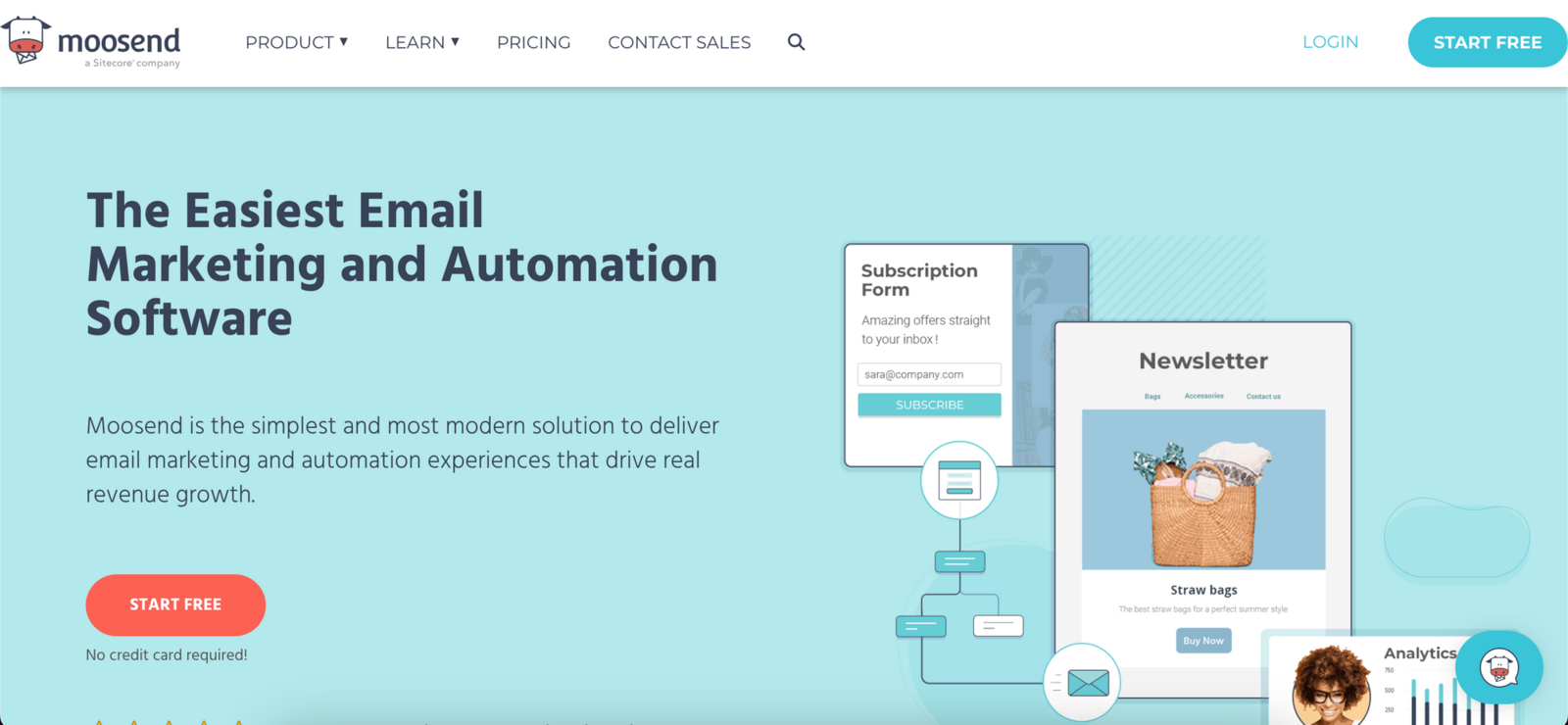
Moosend is an all-in-one email marketing and automation platform that offers robust transactional email services. Known for its user-friendly interface and powerful features, Moosend caters to businesses of all sizes looking to enhance their email communications.
Pros:
- Easy-to-use drag-and-drop email editor
- Advanced automation workflows for personalized email journeys
- Comprehensive reporting and analytics
- High deliverability rates with optimized sending infrastructure
- Integration with popular e-commerce platforms and CMSs
- GDPR compliant with strong data security measures
Cons:
- Limited advanced features on lower-tier plans
- Occasional delays in customer support response
Best For: Small to medium-sized businesses and e-commerce platforms seeking a cost-effective, user-friendly email solution with powerful automation capabilities.
Pricing: Free for up to 1,000 subscribers; paid plans start at $7/month, with pricing based on the number of subscribers and included features.
6. Mailchimp Transactional
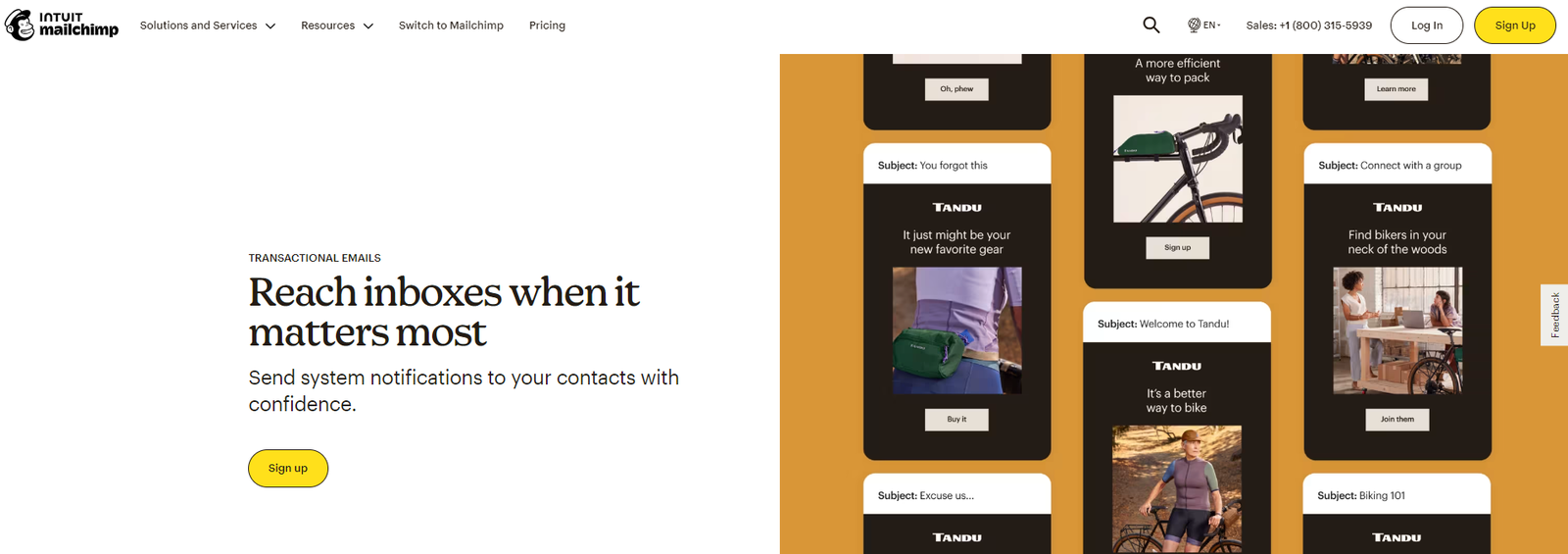
Mailchimp Transactional, formerly Mandrill, integrates seamlessly with Mailchimp, offering a time-tested solution for data-driven transactional emails.
Pros:
- Easy management from Mailchimp account
- Comprehensive API functionality
- High deliverability
- Attractive email templates
- User-friendly interface
Cons:
- Only available to Mailchimp users
- Higher cost compared to competitors
Best For: Mailchimp users sending at least 25,000 emails monthly.
Pricing: $0.40 to $2 per 1000 emails, with a $20 minimum for an email marketing plan.
7. Resend
Resend, popular among developers, gained traction after its success on Product Hunt in 2023.
Pros:
- Variety of SDKs for different languages
- Responsive online community
- Test mode for experiments
- High deliverability rates
- Competitive pricing
Cons:
- Lacking email templates or drag-and-drop builder
- Limited data retention
Best for: Tech-savvy teams needing no long-term email data retention.
Pricing: Free for 100 emails/day; $0.24 to $0.40 per 1000 emails for basic plans.
8. Amazon SES
Amazon Simple Email Service (SES) is a cloud-based email sending service designed to help digital marketers and application developers send marketing, notification, and transactional emails.
Pros:
- Highly scalable and reliable
- Cost-effective with a pay-as-you-go pricing model
- Strong integration with other AWS services
- High deliverability rates
- Flexible configuration options for developers
Cons:
- Complex initial setup for beginners
- Limited support for non-AWS users
Best for: Businesses already using AWS services and developers seeking a scalable and reliable email solution.
Pricing: $0.10 per 1000 emails; additional costs for outbound data transfer.
9. Mailtrap
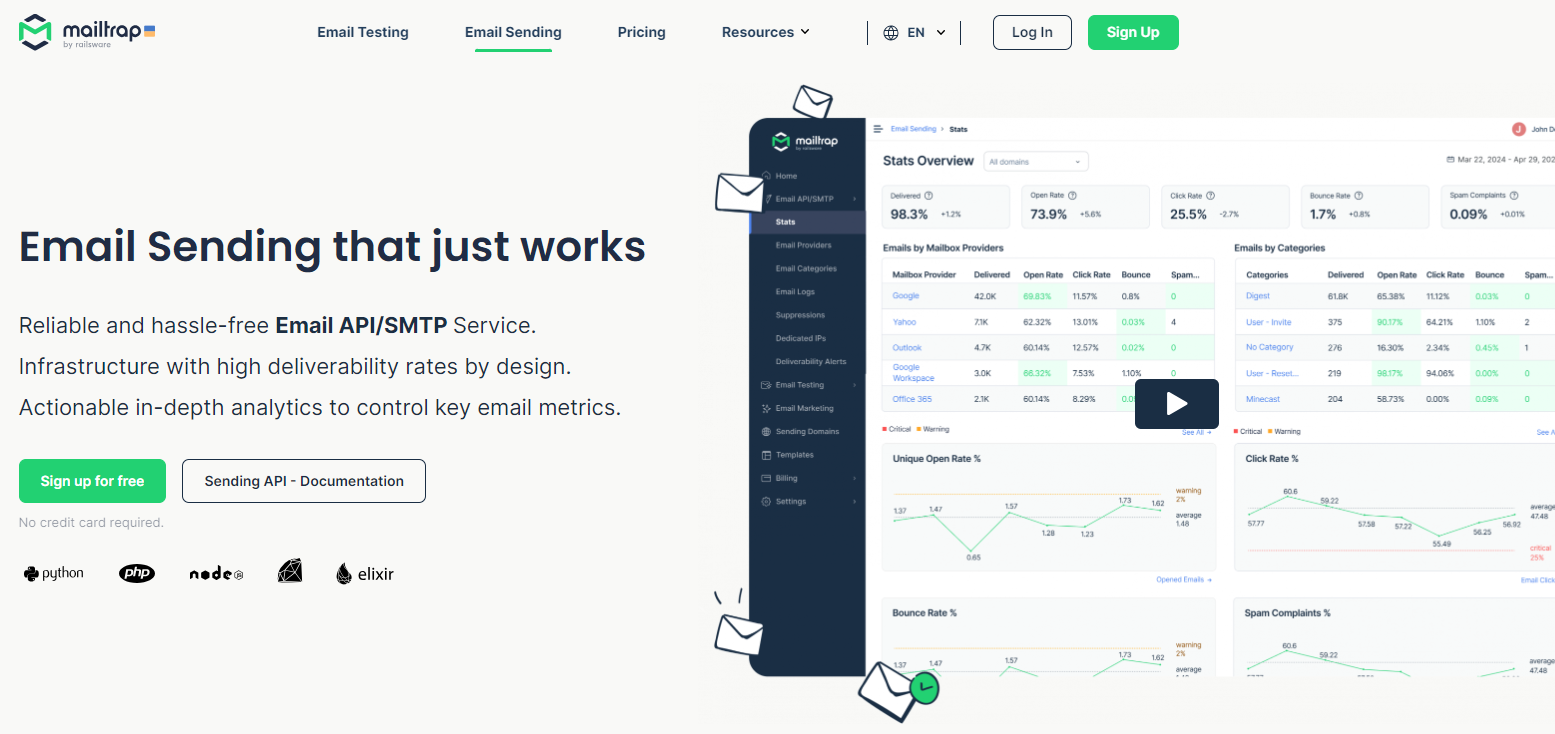
Mailtrap is designed for development teams to test email integration and verify performance, now a trusted platform for over 150,000 users.
Pros:
- Excellent testing and debugging features
- Spam checker and HTML validator
- 24/7 live assistance
- Additional analytics
- Over 20 integrations
Cons:
- Limited email-sending functionality
- Short data retention for lower plans
Best For: Software developers needing a multifunctional email testing environment.
Pricing: Free for 1000 emails/month; $0.50 to $1.50 per 1000 emails for paid options.
10. Bird
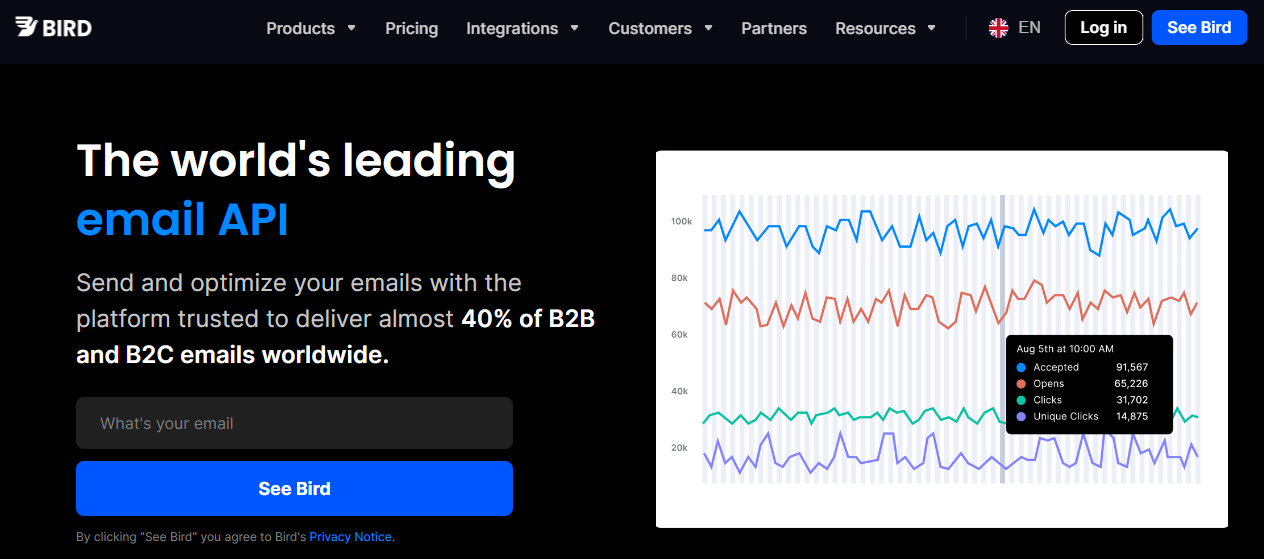
Bird, formerly Sparkpost, processes over 4 trillion emails annually, offering a reliable solution for developers.
Pros:
- Extra communication channels like SMS and WhatsApp
- Inbox placement monitoring
- Real-time email traffic adjustment
- Impressive sending speed
- Scalability
Cons:
- Complex setup
- Complicated pricing structure
Best For: Large enterprises building an omnichannel infrastructure.
Pricing: $0.88 to $1.50 per 1000 emails, based on contact numbers.
Conclusion
Choosing the right transactional email service is vital for ensuring efficient and reliable communication with your customers, directly impacting user satisfaction and engagement. With the digital landscape continuously evolving, businesses must stay ahead by selecting a service that not only meets their current needs but is also scalable and future-proof.
The importance of selecting the right service extends beyond mere deliverability. The best transactional email services provide robust analytics, enabling businesses to track and measure the success of their email campaigns. Real-time reporting and monitoring tools help identify issues promptly, ensuring that critical emails reach their intended recipients without delay. Advanced features like A/B testing, email parsing, and detailed logs allow for continuous improvement and customization of email communications.
In addition to the technical aspects, consider the quality of customer support and ease of integration with existing systems when choosing an email service provider. A responsive support team and comprehensive documentation can significantly ease the onboarding process and troubleshoot potential issues swiftly.
Transactional emails are a cornerstone of customer interaction, and their effectiveness can significantly influence a company's reputation and customer loyalty. As businesses continue to grow and evolve, so too must their email communication strategies. For more detailed insights on selecting the best tools and features for customer communication, learn how to choose the right CCaaS solution for your business and how to pick the right SaaS solution for customer communication.
This comprehensive guide aims to assist you in navigating the myriad of options available, helping you find the ideal solution that aligns with your specific needs and budget. By leveraging the right transactional email service, you can ensure your business remains competitive, your communication remains seamless, and your customers stay informed and satisfied.
Frequently asked questions
How do transactional emails differ from marketing emails?
Transactional emails are triggered by user actions and contain information specific to those interactions, like order confirmations or password resets. Marketing emails are sent to promote products or services, including newsletters and promotional campaigns, and target a broader audience.
What steps can I take to improve the deliverability of my transactional emails?
To enhance deliverability, use a reputable email service provider, maintain a clean and updated email list, authenticate emails with SPF, DKIM, and DMARC, avoid using spammy language, and regularly monitor email performance and metrics.
Are transactional emails subject to anti-spam regulations?
Yes, transactional emails must comply with regulations like the CAN-SPAM Act in the US and GDPR in the EU. Although they are not primarily promotional, they still need to include accurate sender information and provide recipients with an easy way to opt-out of future emails if applicable.
Is it permissible to include promotional content in transactional emails?
While the main focus of transactional emails should remain on the primary message, it is generally acceptable to include subtle promotional content, such as cross-sell or up-sell suggestions, provided it does not overshadow the main information and complies with relevant laws.
What factors should I consider when choosing a transactional email service?
When selecting a transactional email service, consider factors such as the service's deliverability rates, pricing, ease of integration, scalability, customer support, and the specific features that align with your business needs. Comparing multiple providers can help you make an informed decision.