
Subscription business model: How to start a subscription business in 2026
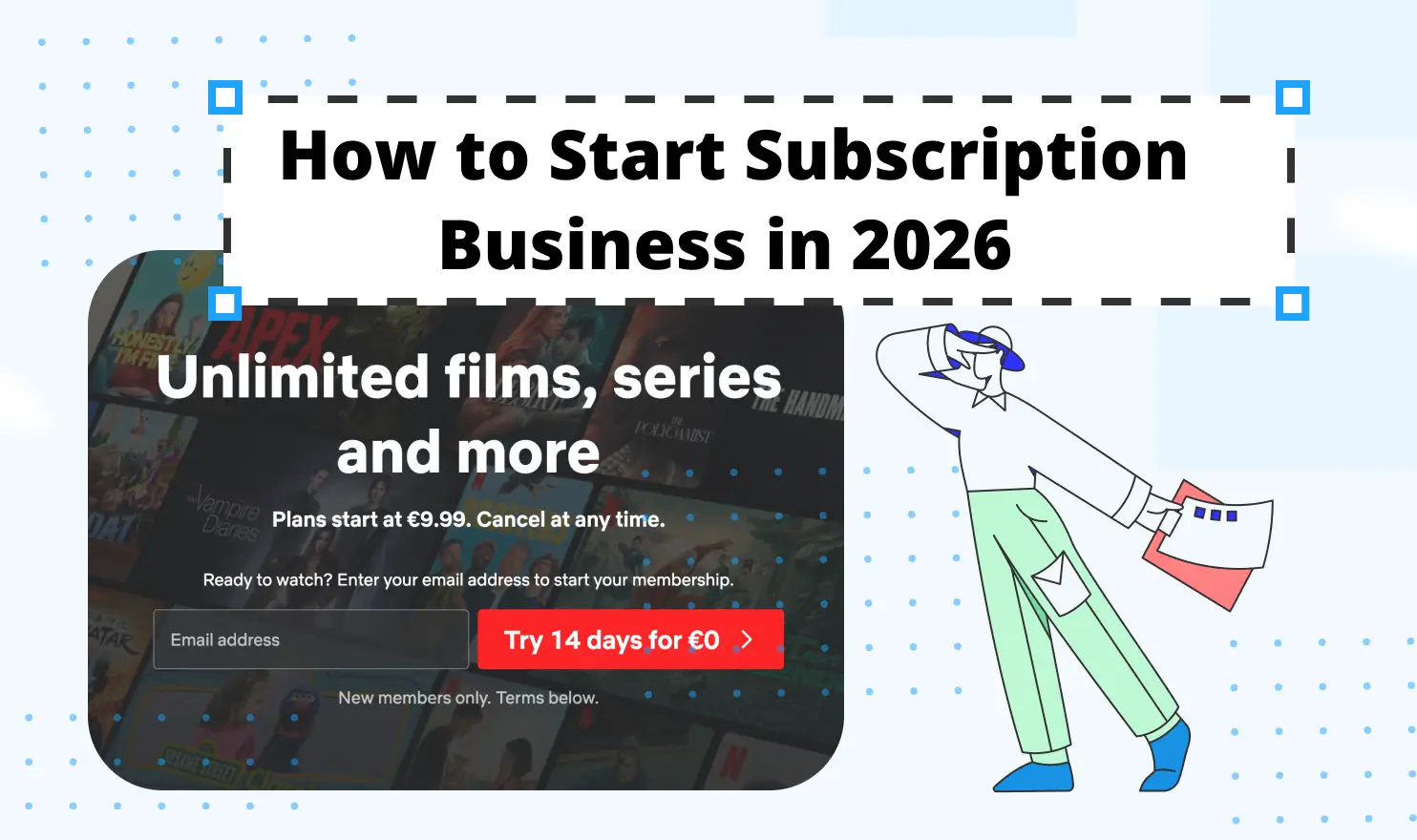
If you already have a product list, a catalog, or an audience that keeps returning to your website, you already have a foundation for a subscription business. All that is left is to develop a right commercial strategy for the product, plan a pricing structure people actually understand, and a billing setup a non-technical person can manage without hiring an ops person.
This guide will walk you through all the essential steps: the core subscription models, real business ideas for small operators, how to price and validate before building anything, and how to launch, including how to run the whole thing from a spreadsheet-backed website if you don’t want to get too technical.
What a subscription business model is (and when it beats one-time sales)

Simply put, a subscription business model is a way of selling access, product, or service on a recurring schedule instead of a single transaction. Instead of one payment, the customer pays weekly, monthly, or annually; and in exchange, they get continued access, regular deliveries, or ongoing value.
Recurring revenue matters because it changes the economics of your business. One-time sales mean an endless chase after the next customer. A subscription means today's customer is also tomorrow's revenue. This structure guarantees a more predictable growth and simplifies inventory planning and content creation around a known audience.
Before you commit to a subscription business model, ask one question: is your offer or product consumed repeatedly? If someone purchases it once, and there is no recurring or regular context to it, the startup architecture might be not applicable to your product. If customers need it again and again (e.g. content, supplies, access, curation), recurring billing is a natural fit, not a marketing ploy attached to a single transaction. Subscriptions only work when the value flows both ways. Ensure your model offers effortless convenience and real benefit to the customer.
4 subscription business models — pick the one that matches customer value

Most subscription businesses fall into one of four categories. The trick isn't picking the trendiest one. Choose the one that matches how your customer actually gets value from you.
Access. The customer pays for ongoing entry to something: a membership community, premium content, a gated directory, or a private listings tier. Value comes from continued availability, not from a physical thing arriving in the mail. This is the easiest model to run on a lean stack because there's nothing to ship (from photostocks to streaming platforms).
Replenishment. The customer needs the same thing on a regular basis: coffee, supplements, pet food, toiletries, etc. You're not selling novelty, you're selling convenience: something that will always be in demand.
Curation. You do the selecting so the customer doesn't have to. Think lovely subscription boxes, engaging newsletters, or rotating product catalogs. The value is discovery and effort saved, which is why curation subscriptions can charge a premium even on inexpensive contents.
Usage-based. Billing scales with how much the customer actually consumes — API calls, storage, transactions processed. This is common in SaaS and infrastructure, but it needs metering and tiered billing logic that's overkill for most small catalogs and directories. Note that it exists as a boundary case; not the starting point for most solo operators.
If you're running a directory, catalog, or content site, access and curation are almost always the better starting point.
Subscription business ideas that work for small operators

You don't need to invent a new category to start a subscription business. Some of the most durable subscription business ideas for small operators are extensions of things they're already providing:
- Directory memberships — charge for access to the full listings database, advanced search filters, or contact details, while a free tier shows limited entries.
- Paid listing tiers — businesses pay monthly to appear in your directory at all, or to unlock a featured position.
- Digital downloads on a schedule — templates, design assets, or resource packs delivered monthly instead of sold once.
- Curated catalogs — a rotating set of products, vendors, or recommendations that changes regularly enough to justify staying subscribed.
- Gated content or community — newsletters, tutorials, or forums behind a paywall.
The common thread: each idea takes something you might currently give away or sell once, and turns continued access or continued delivery into the product itself.
How to validate demand and pricing before you build billing
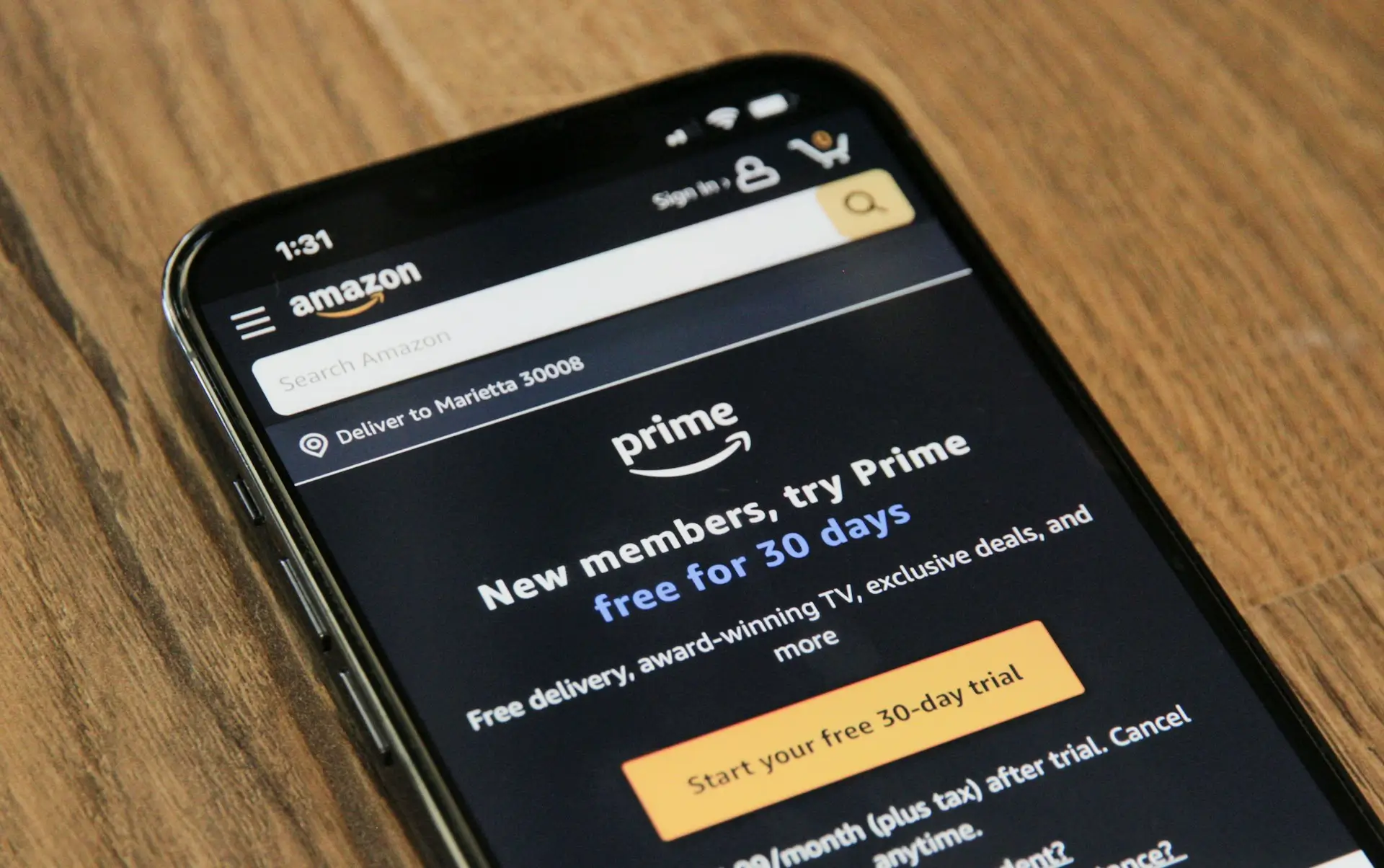
Testing your idea first is far cheaper than building the wrong product. Start with a prelaunch page that describes the subscription and lets people join a waitlist. If you have an existing audience, email them directly and subtly inquire who'd sign up at a specific price. A smart strategy at this point would be price anchoring: a psychological marketing strategy where businesses initially display a higher price (the "anchor") to influence how consumers perceive a final or discounted offer.
You'll also need to decide between a free trial and a freemium model early, because they train customers to expect different things. A free trial gives full access for a limited time. Freemium gives permanent access to a limited version and charges for additional features, services, and virtual or physical goods. Directories and catalogs usually revolve around freemium: a visible but limited listing set does more to convert than a trial that expires before the value is obvious.
Subscription pricing models and tiers that convert
Usually, paywall drop-off rates range from 60–85% (opens new window). Which is why selecting the suitable pricing model and smartly designing the checkout page is your indisputable priority. The key elements are value articulation, social proof, and effortless and safe payment process.
Here are a few aspects to look into to help you avoid making major mistakes during the launch:
Monthly vs. annual subscription. Ideally, you should offer both options. Monthly lowers the entry barrier to trying you out; annual improves cash flow and retention, and is usually discounted 15–20% to reward the commitment. Most subscription businesses find annual plans convert better once trust is established, not on the first visit.
Core + premium tier structure. Opt for two or three tiers, not more. A core tier that covers the main use case, and a premium tier that adds the features power users actually ask for: more listings, priority placement, advanced filters. Too many tiers just create confusion and decision fatigue.
Intro pricing guardrails. Offer discounts to attract subscribers, but set an end date and be upfront about it. Open-ended "founding member" discounts are hard to walk back later without frustrating your earliest, most loyal customers.
Whatever structure you end up choosing, keep the pricing page itself simple enough that a first-time visitor understands what they get at each tier in under ten seconds.
How to set up subscription billing (Stripe, PayPal, and no-code options)
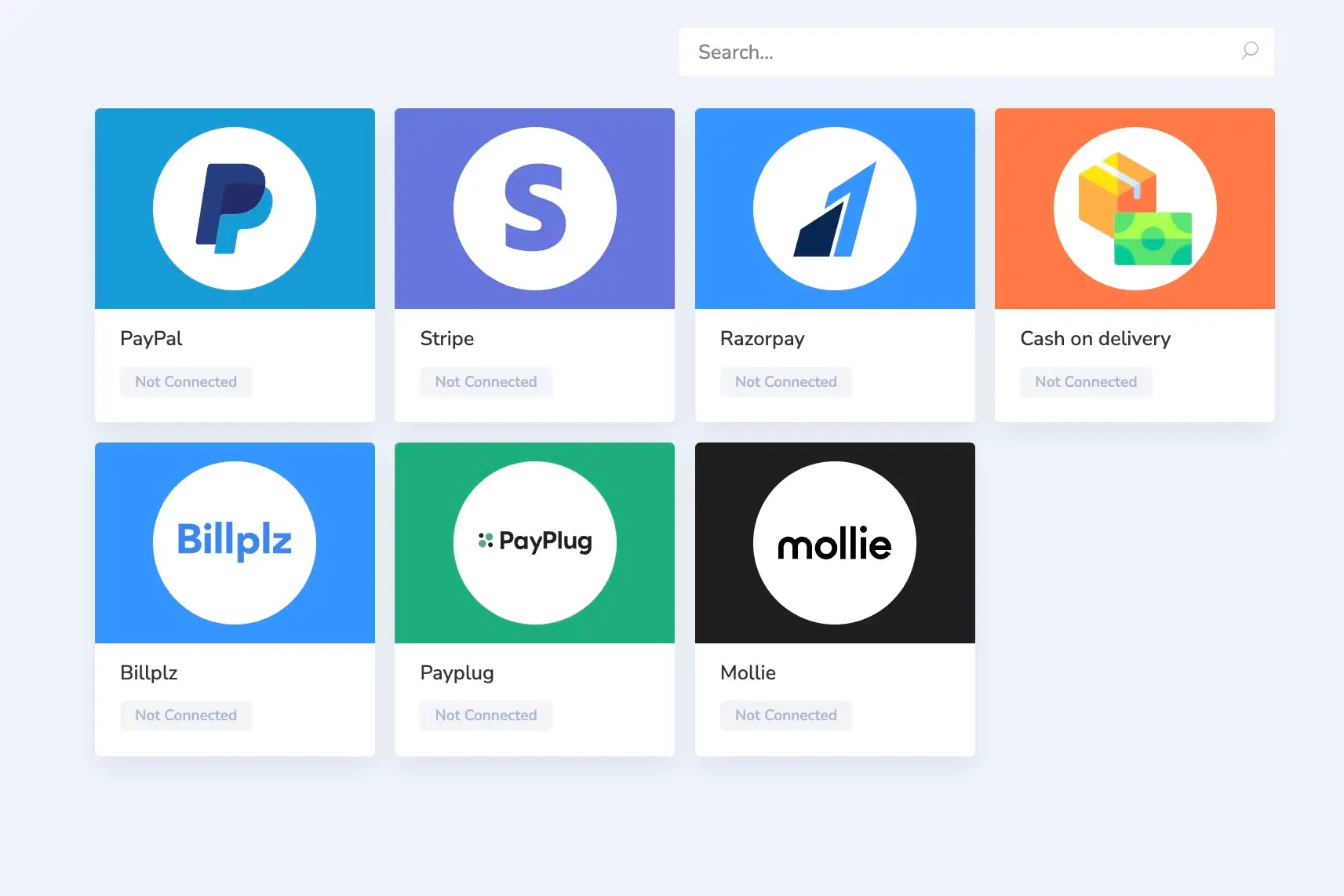
Once pricing is validated, the next step is billing setup. Luckily, it is not rocket science, and building your own system from scratch is completely unnecessary.
Stripe and PayPal both handle recurring charges, prorated upgrades, and dunning (retrying failed payments) out of the box. Stripe tends to be the default for subscription businesses because its subscription objects, customer portal, and webhook events make it straightforward to manage plan changes and cancellations without custom code.
Before launch, ensure you have these key moments fully mapped out:
- Failed payments. Set up automatic retries and an email sequence, so a subscriber isn't silently dropped because a card expired.
- Cancellation flow. Make it easy to find, but ask one question on the way out — it's the cheapest churn data you'll ever collect.
- Upgrades and downgrades. Decide whether tier changes take effect immediately or at the next billing cycle, and be consistent about it.
If you're running your catalog or directory on a no-code, Google Sheet-managed site like SpreadSimple, connecting directly to Stripe or PayPal for paid plans is fast and intuitive through their Add-ons Tab. The most significant benefit of opting for this no-code website builder is that gated rows, member-only listings, and payment collection live in the same workflow instead of several disconnected tools, which is a turning point for non-technical users, helping drive down expenses and save valuable time.
Check out this guide (opens new window) to learn how to set up website access rules for your online platform built with SpreadSimple.
Launch checklist — go live in stages
The moment your platform is ready, all the effort put into its development creates an almost irresistible urge to launch to everyone at once. Our tip is to resist it at all costs and rather go for a staged rollout that gives you room to fix pricing or onboarding mistakes before they've reached your whole audience.
- Soft launch to a small segment. Reach out to existing customers, your email list, or a handful of directory members you already have a relationship with.
- First 10 subscribers. Talk to each one. At this stage, qualitative feedback is worth more than analytics.
- Measure activation and churn before scaling spend on acquisition.
These three metrics matter more than the rest early on:
- Activation — the share of new subscribers who actually use what they paid for in the first week.
- Churn — the share who cancel in a given period. High early churn usually points to a pricing or expectations mismatch, not a marketing problem.
- ARPU (average revenue per user) — total subscription revenue divided by active subscribers. It tells you whether tier mix is working, or whether everyone's clustering on your cheapest plan.
Common mistakes when starting a subscription business
- Underpricing. Pricing low to win first customers is fine short-term, but raising prices later is harder than it should be. Anchor closer to sustainable pricing from the start.
- Over-building before validating. Full billing infrastructure, tiered permissions, and a polished member area should come after validating the offer.
- No offboarding plan. Cancellations will happen. Without a clear process, they turn into support tickets and refund disputes instead of clean exits.
- Unclear renewal value. If a subscriber can't say in one sentence what they're getting this month that they didn't get last month, they'll eventually ask why they're still paying.
FAQ

How much does it cost to start a subscription business?
For a small, digital or directory-based subscription business, costs are mostly your platform (a no-code site builder, Stripe or PayPal fees) and your time to build the offer. Many operators launch with under a few hundred dollars in tooling costs and scale spend once the model is validated.
What is the most profitable subscription model?
There's no universal answer — it depends on margins and retention, not just revenue. Access-based subscriptions (memberships, gated content) tend to have the lowest ongoing cost per customer, since there's nothing to ship or replenish.
How do I start a subscription business with no money?
Lead with an access or curation model built on something you already have, such as an audience, a listing database, or existing content. Use a free-to-start billing tool like Zoho Invoice (opens new window). Validate with a waitlist before spending on infrastructure.
Can a directory website run on subscriptions?
Yes, it's one of the more natural fits. Gate part of the listings database, charge businesses for featured placement, or offer a paid membership tier with extended search and contact access, while keeping a free tier visible for SEO and discovery.
Start your subscription offer on a site you can update from Google Sheets
If your subscription business is built around a catalog, a directory, or a curated list, you don't need to rebuild your site to add paid plans. SpreadSimple lets you launch a subscription-ready website connected to Stripe or PayPal, with paid tiers, featured listings, and member-only content all managed from a spreadsheet you already know how to use.
Explore SpreadSimple's pricing plans to see which tier fits your launch.