How to Build an Influencer Affiliate Storefront (Beyond Link-in-Bio)
The single mistake stopping amateur bloggers from making affiliate income isn't their content; it's sending followers to a basic Linktree stack attached to a messy, disorienting storefront. In this guide, we walk you through the main aspects of affiliate marketing for beginners, recommend useful tools and free platforms to help you start today.
Why influencers outgrow Linktree and Amazon-only shops
A link-in-bio tool is a landing page and not a fully functional shop. There's no way to group products by use case, no room to explain all the perks, and nothing that helps reflect your individuality and makes it stand out.
The Amazon Influencer storefront solves some of that, but it locks you into one catalog. The skincare brand with its own affiliate program, the software tool that pays 30% recurring commission, or the direct-to-consumer brand you actually love won’t fit inside Amazon's page. And the layout is the same one thousand other creators are using, which makes it hard to look like a destination rather than a directory.
The moment your audience starts requesting a link under every other post is usually the moment a real storefront pays for itself.
Choose your niche, audience, and product types

Most likely, you don't need to pick a niche from scratch. Your audience already told you what it is. A fitness creator's shop is workout gear and supplements, a photographer’s store revolves around tried and tested equipment and software, etc. The narrower the focus, the more the storefront reads as expert curation instead of a random pile of affiliate links.
Inside that niche, mix three kinds of products: the item you'd recommend to anyone (a hero product), a cheaper alternative for people on a budget, and the thing that's genuinely your personal favorite. That mix helps keep the shop useful to more of your audience.
Pick affiliate programs that fit creators
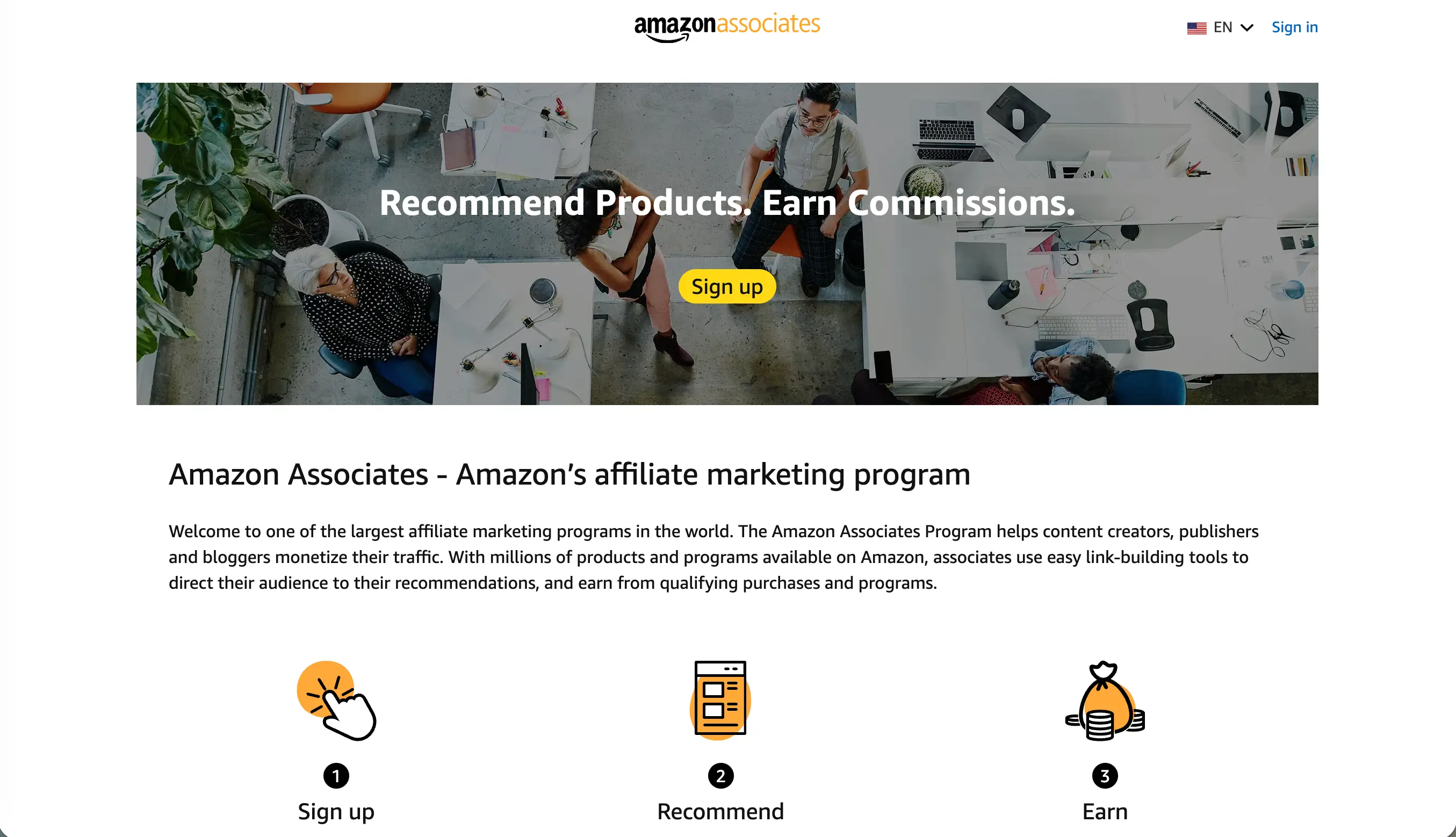
Amazon Associates (opens new window) is the easiest program to join, but commissions usually sit between 1% and 10%. Software, beauty, and DTC brands frequently pay from 20 to 50% and often run programs built specifically for creators rather than bloggers.
Key aspects to consider:
- Check the cookie duration: some networks only credit you for a same-day sale.
- Check the payout threshold and schedule before you commit real content time.
- Look for programs that explicitly welcome creator or influencer accounts, not just publishers.
For a rundown of tools and affiliate platforms worth exploring, check out this guide:
How To Start Affiliate Marketing for free in 2026 + Top Affiliate Programs
Amazon Influencer storefront vs. your own affiliate store
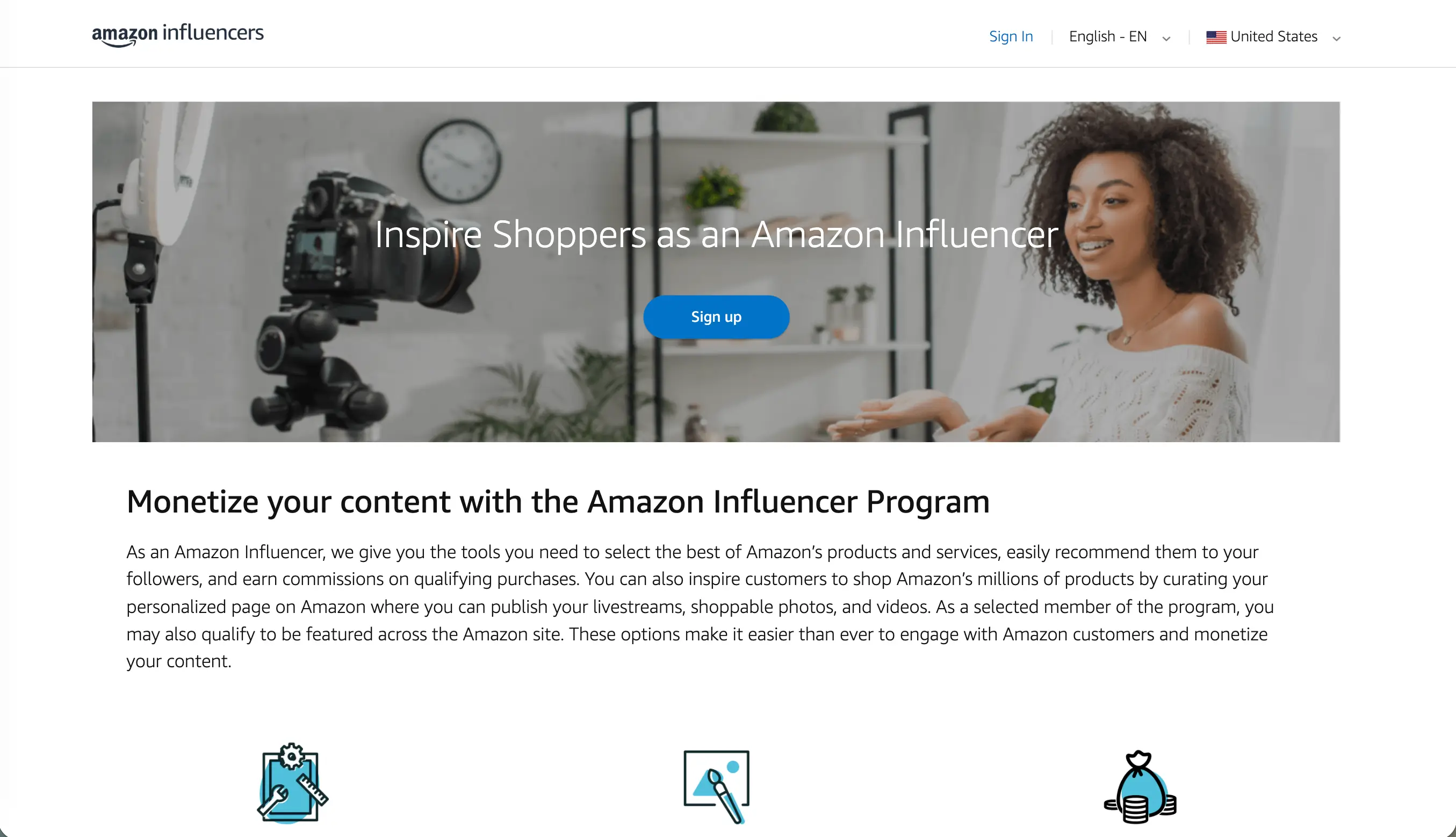
Amazon's storefront is fast to set up, and the checkout process doesn’t cause suspicion among shoppers. But you can't rebrand it or mix in other programs, and you don't own the URL or the relationship with anyone who visits it.
A storefront you build yourself gives you the layout, the collections, the copy, and every affiliate program you're part of, all under one link that's actually yours. The two options aren't mutually exclusive: plenty of creators keep their Amazon storefront running for Amazon-specific picks while making their own site the main online platform.
Design a storefront that converts (collections, filters, CTAs)
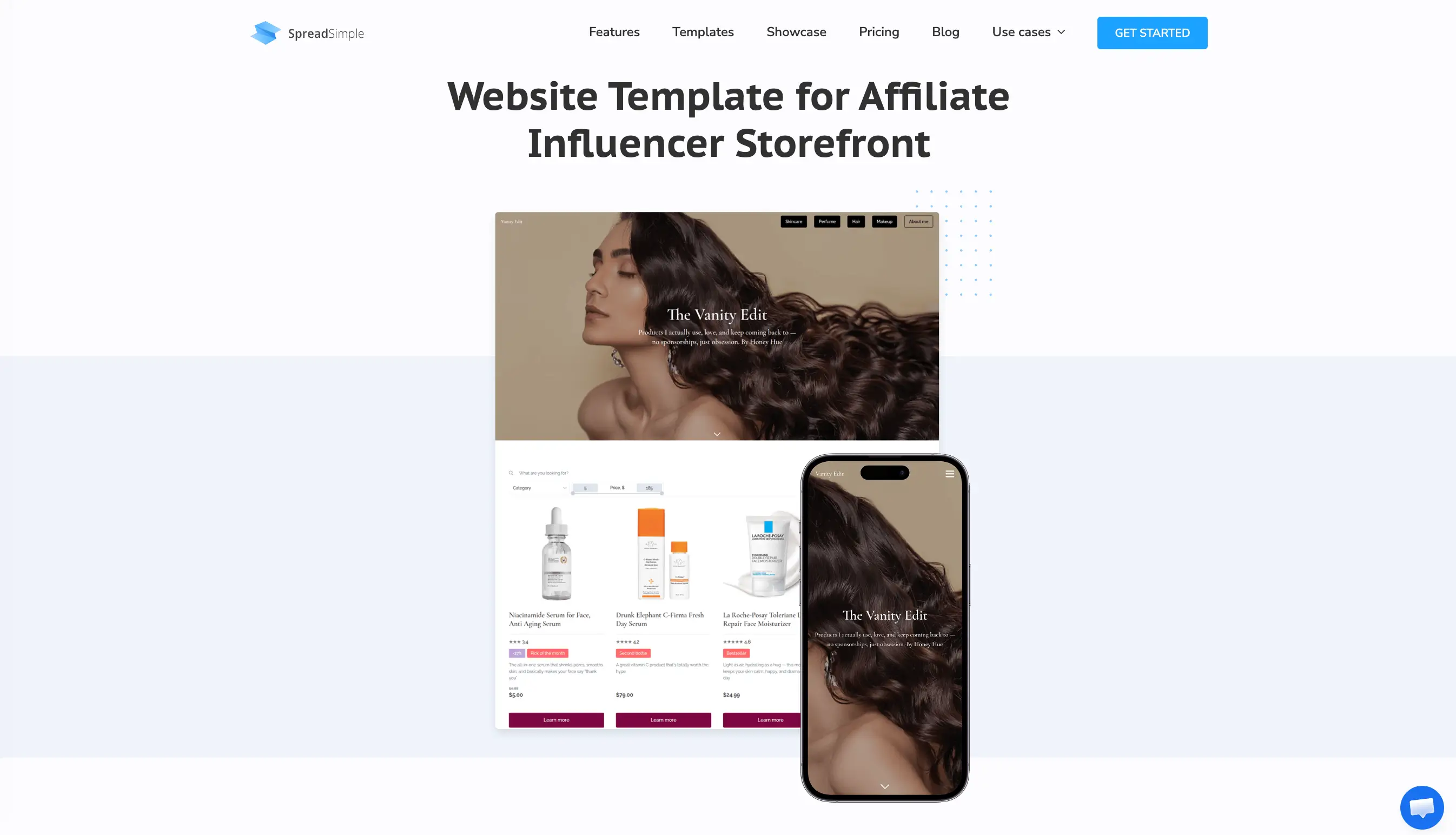
A browsable online shop needs a few things a plain link list lacks:
- Collections grouped by use case: "desk setup," "travel kit," "skincare routine", etc.
- Filters and search, so a visitor looking for one specific category doesn't have to waste time scrolling past everything else.
- Product cards with a short note in your voice.
- One obvious click-through per product, so there's no confusion about where the link goes.
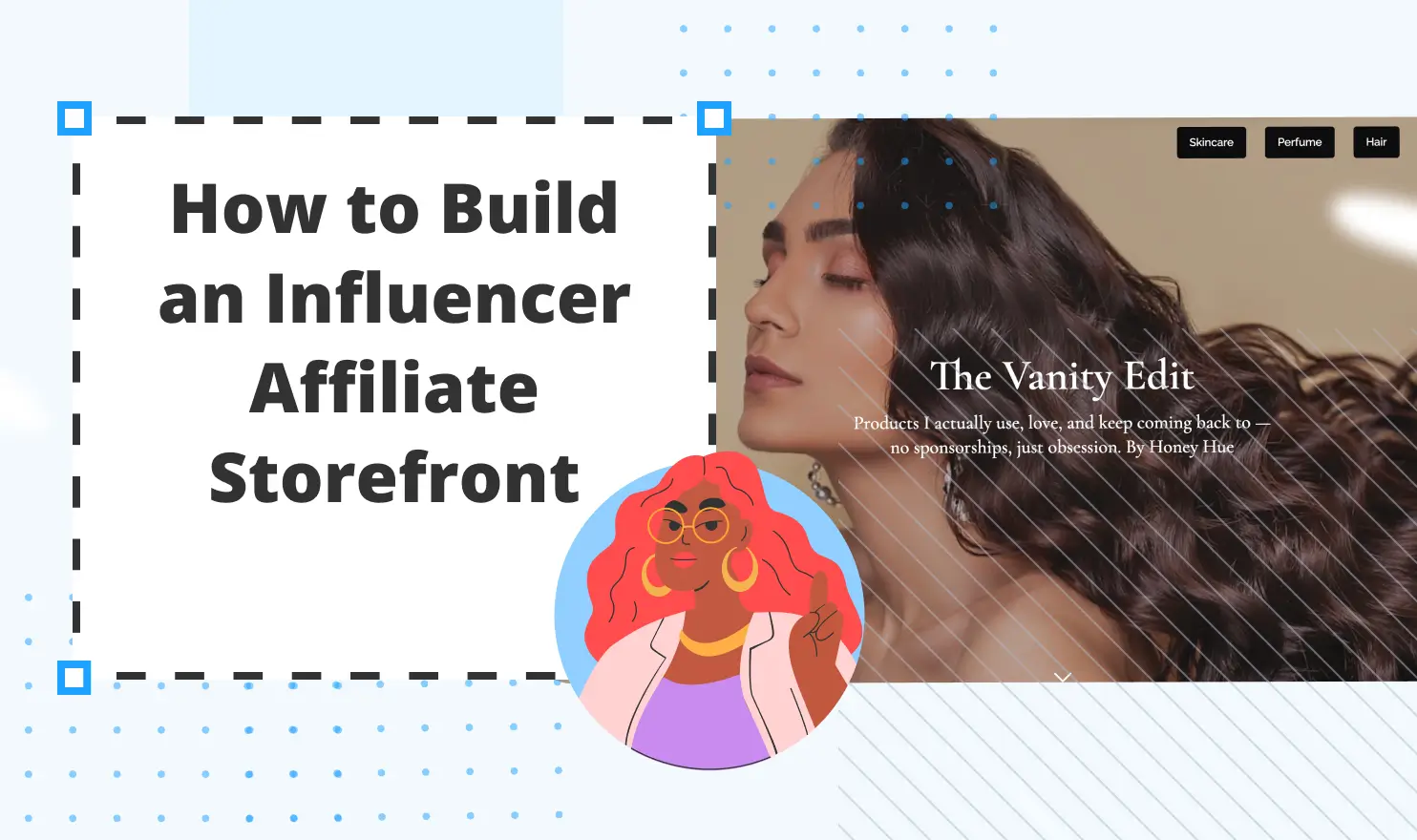
This is exactly what the Affiliate Influencer Storefront template is built for. The sleek, user-friendly website template features product cards, filters, and collections that pull all the necessary data straight from a Google Sheet, so the shop looks curated without any design or coding knowledge on your end.
To find out, how to set up an affiliate store with SpreadSimple, watch our detailed YouTube tutorial:
Manage products and links from a spreadsheet
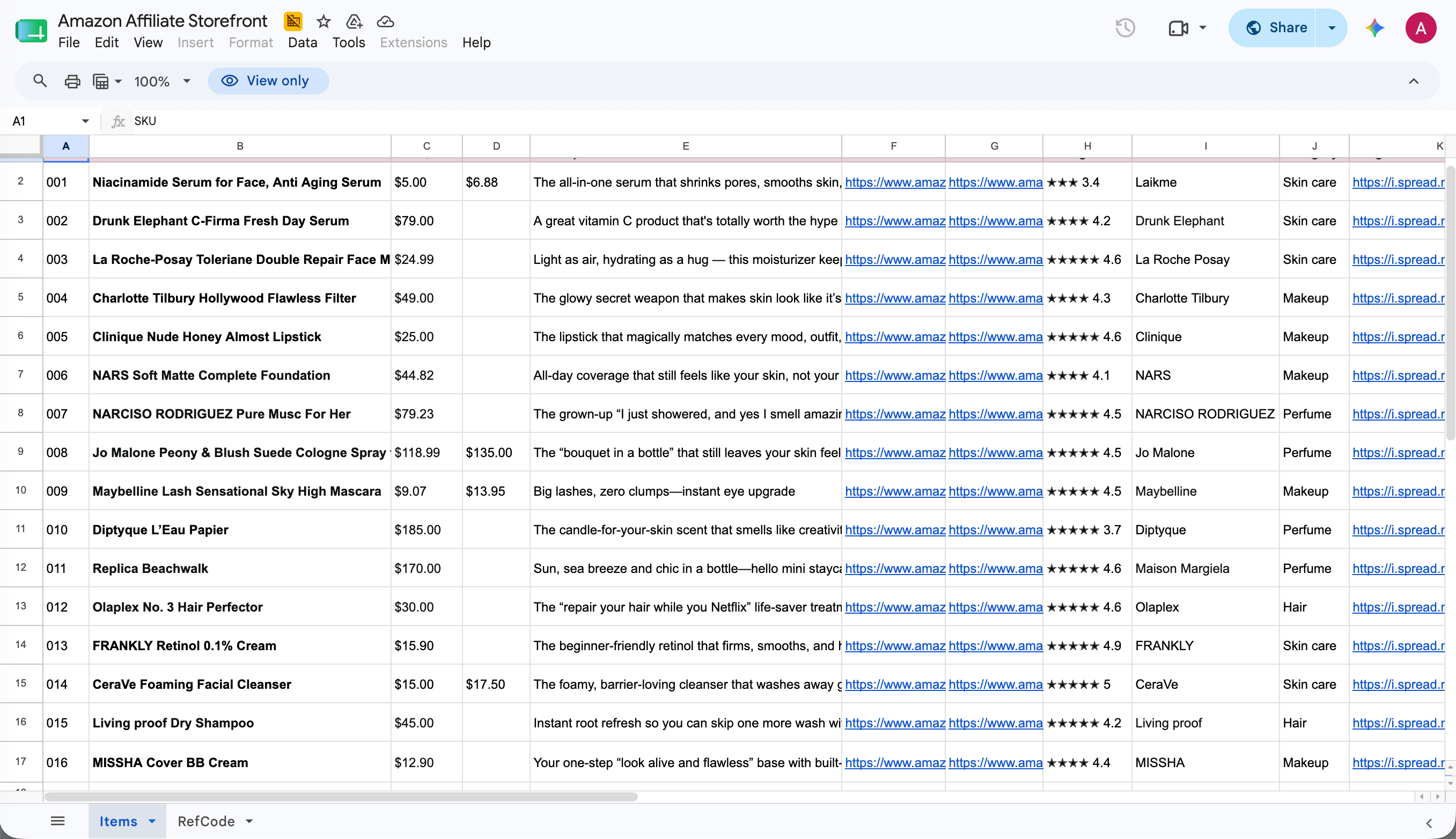
After launch, day-to-day management happens entirely inside Google Sheets: add a row for a new product, update a price, swap a dead affiliate link, delete something that's no longer needed. The change reflects on the published website without touching a CMS or waiting on a developer, which matters when you're posting daily and do not have a big team.
Drive followers from TikTok, Instagram, and YouTube to one shop URL
The whole point of building this is collapsing every social media platform's traffic into one destination. Put the shop link in your bio across TikTok, Instagram, and YouTube, pin it in comments when you mention a product, and add it to your Instagram "Shop" highlight. When you say "it's linked" in a video, it should always mean the same URL — so people learn where to find you without effort.
Monetize — commissions, bundles, brand deals
Affiliate commissions are the obvious revenue stream, but a well-organized storefront earns you more than clicks. Bundled collections like "my everyday minimal makeup" or "everything in my gym bag" tend to convert better than single products because they answer a bigger question at once and help shoppers visualize a lifestyle they want to live.
The storefront also works as a portfolio. When a brand is deciding whether to work with you, a clean, active shop with real product selection is a compelling argument.
Common mistakes to avoid

Building a successful affiliate business is not rocket science, but, like in any other niche, a beginner will face different obstacles and challenges. To reduce the friction, here’s a short list of the most common mistakes to maneuver around without any damage:
- Link dumping: adding every product you've ever mentioned turns the shop back into a Linktree with extra steps and kills the trust you’re trying to build with your followers.
- Stale catalogs: dead links and discontinued items are the fastest way to lose authority and conversions.
- Chasing a niche you don't actually use: audiences notice recommendations that don't feel natural, and it shows up in click-through rate.
FAQ
Do I need coding skills to build an influencer storefront?
No. Tools like SpreadSimple turn a Google Sheet into a working storefront, so the setup is closer to filling in a spreadsheet than building a website.
How is this different from an Amazon Influencer storefront?
An Amazon storefront only shows Amazon products and uses Amazon's fixed layout. Your own storefront can combine any affiliate program and looks like your brand instead of a template shared by every other creator.
How many products should I start with?
Somewhere between 15 and 30 is enough to fill a few collections without feeling empty or overwhelming. You can always add more once the shop is live.
How often should I update my storefront?
Check it monthly at minimum: remove discontinued products, fix broken links, and add anything new you've started recommending.
Can I use more than one affiliate program on the same storefront?
Yes. Since the products come from your own spreadsheet rather than a single retailer's catalog, you can mix Amazon links with brand-direct and software affiliate programs on the same page.
Launch your influencer storefront from Google Sheets
If you're ready to start from the Affiliate Influencer Storefront template, connect your Google Sheet, and add your first collection. You can be live before your next post goes up.
If you enjoy using SpreadSimple, check out the SpreadSimple Affiliate Program and earn your reward for every customer you refer!